
The head gasket is an essential part of your engine that keeps fluids from leaking and mixing. It’s a thin steel component with holes that is placed between the engine block and cylinder heads to create a tight seal. This seal ensures a safe combustion reaction inside the cylinder and prevents fluids like coolant and oil from mixing. Taking care of your head gasket is vital to keep your engine running smoothly and avoid potential problems.
Signs That Your Head Gasket Needs Repair:
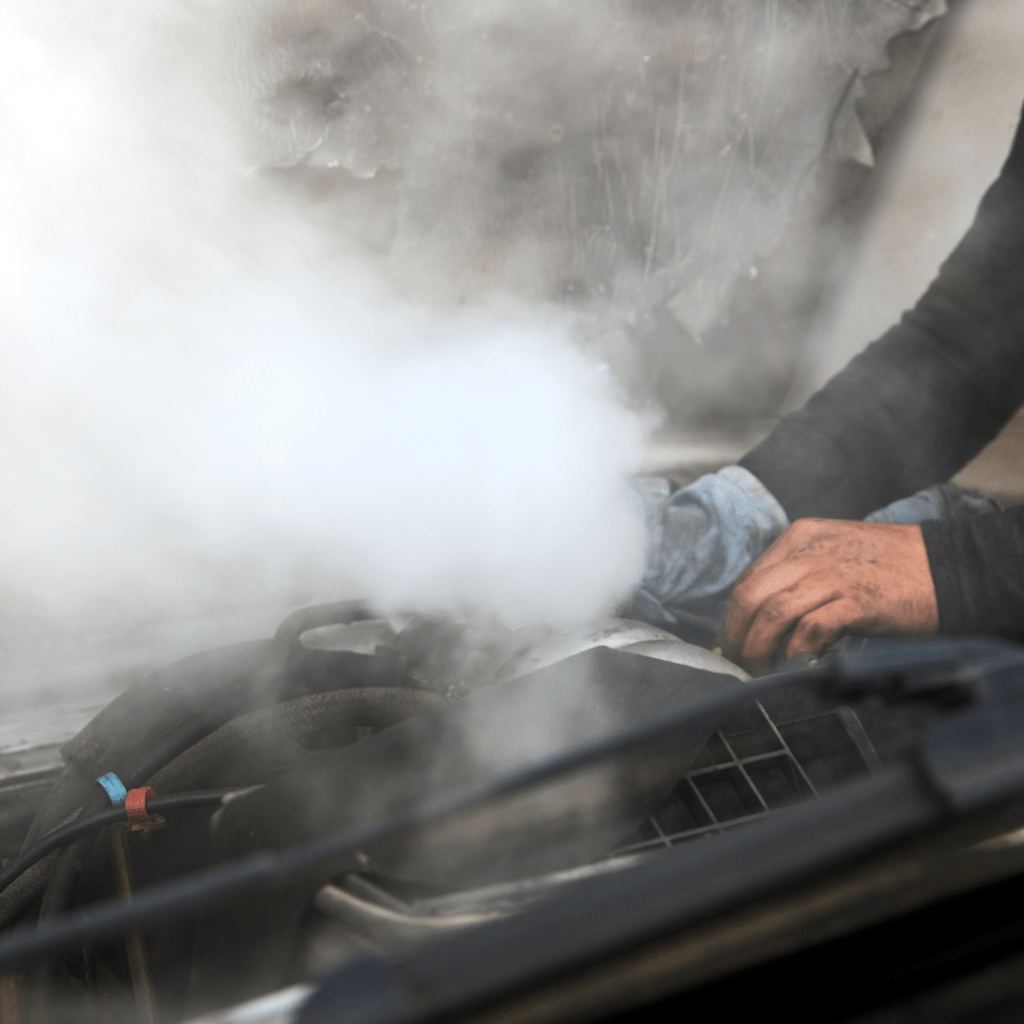

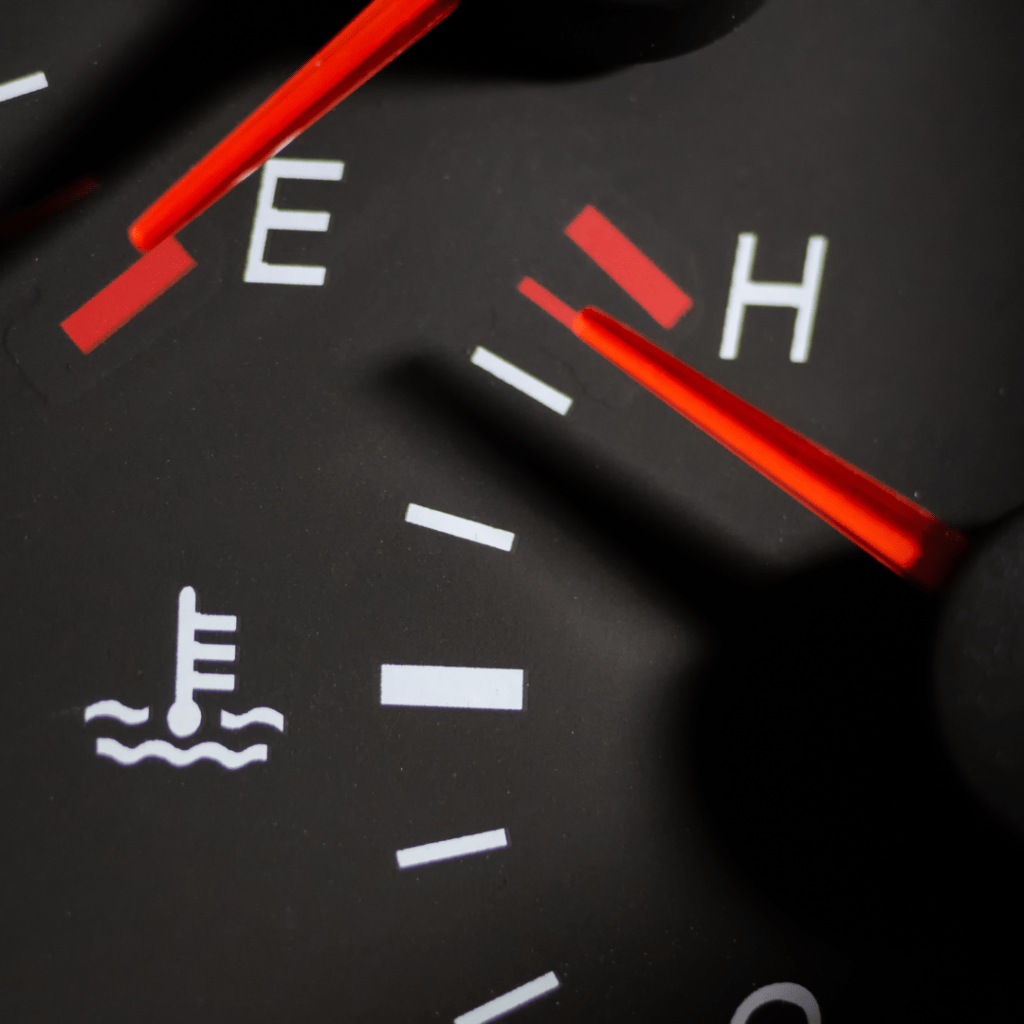
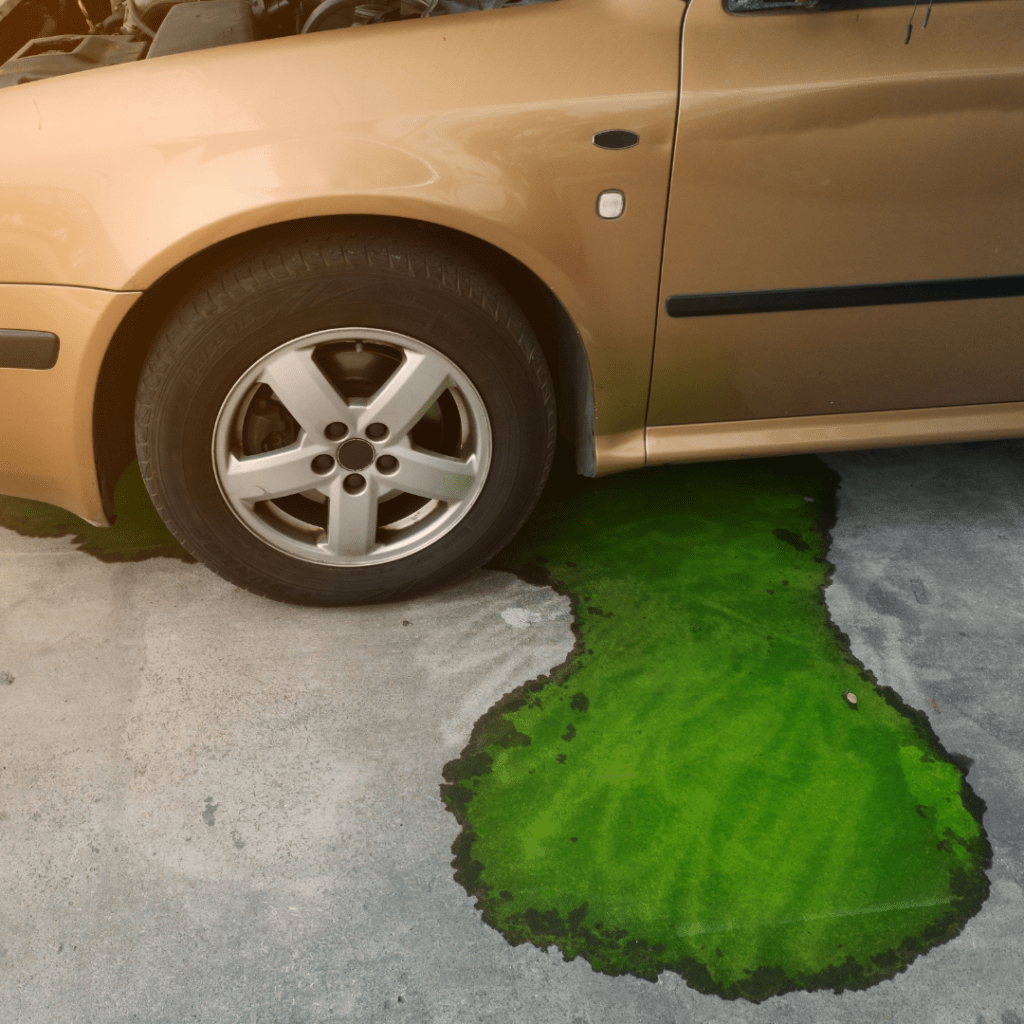

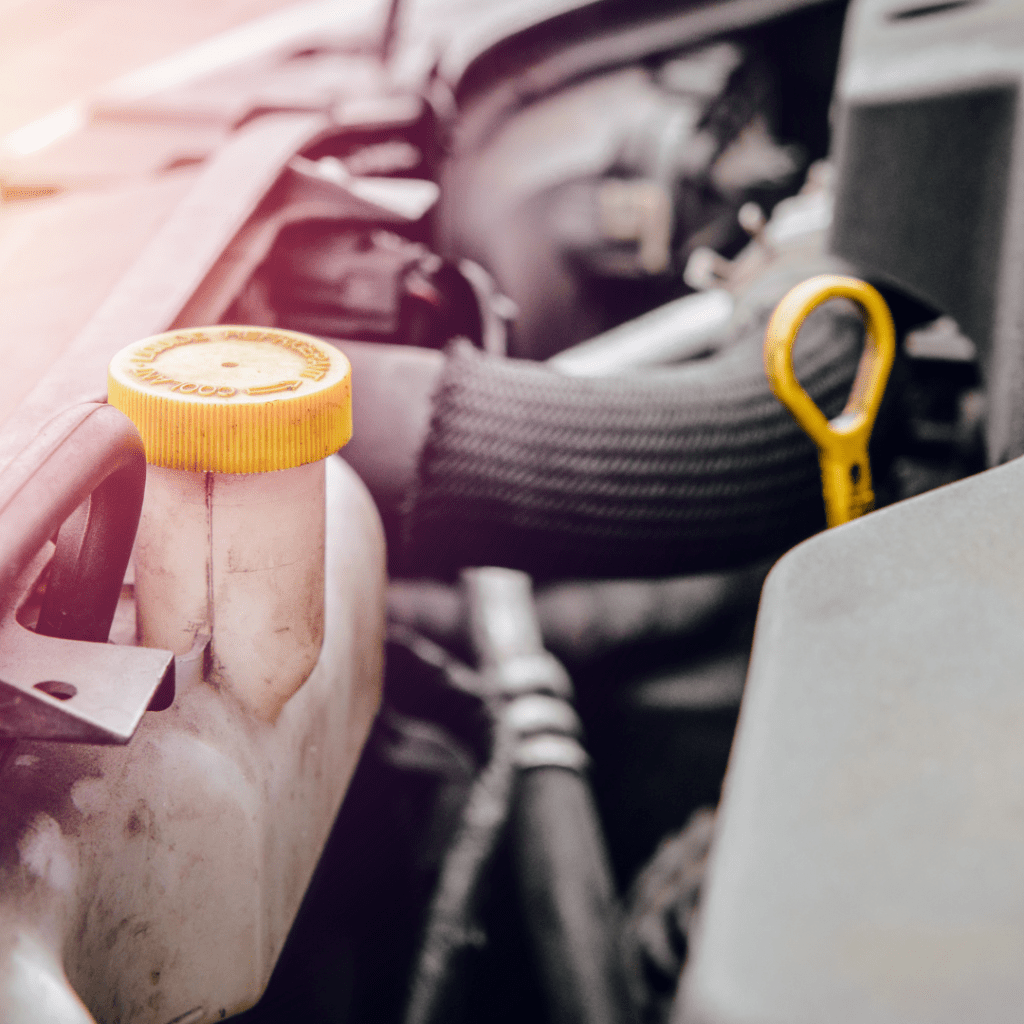
Head gasket leaks and other issues with different engine components can be challenging to deal with. Our shop has all the necessary equipment, such as gasket sealants, and will ensure that we check your vehicle’s service manual before our service. We can easily take care of any issues with the spark plugs, intake manifold, or block and cylinder. Here are some signs that you may need to get your head gasket repaired:
- Leaks: An oil or coolant leak indicates something wrong with the head gasket. This means that there are potential leaks that our technicians will need to look at. Our technicians will check to see if there are any oil and coolant leaks.
- Malfunctioning cylinders: When starting or while driving your vehicle, if you notice the cylinders misfiring, this indicates a possibility of your head gasket needing repair.
- Discolored fluids: The head gasket prevents different fluids from mixing. If you notice that the fluids in the engine are mixing and discolored, this could be a sign of a broken head gasket.
- Blue smoke: When the engine is on, if the head gasket is broken, blue exhaust fumes will come out of the tailpipes.
- Oil with coolant: The head gasket keeps different fluids from mixing in the engine. If you notice they are no longer separate, it’s probably time to brink in your vehicle.
- Overheating: The engine oil may leak if the head gasket is broken. This leak may result in the engine overheating since the engine oil keeps the engine cool.
- Startup troubles: A cylinder misfire can also indicate that the head gasket needs repairing. If you notice startup troubles, it is essential to see if any blue smoke is coming out of the exhaust. If you see any, give us a call right away.
What To Do If You Have A Blown Head Gasket
Dealing with a blown head gasket might seem daunting, but there are steps you can take to address the issue. Here’s what you should do:
- Recognize the Signs: If you notice white smoke from the exhaust, overheating, coolant leaks, or a sweet smell in the engine, these could be signs of a blown head gasket.
- Stop Driving: If you suspect a blown head gasket, it’s crucial to stop driving your vehicle immediately. Continuing to drive could cause more damage to the engine.
- Check Coolant and Oil: Check the coolant and oil levels. If you see engine coolant mixed with oil or vice versa, it’s likely a head gasket issue.
- Don’t DIY: Head gasket repairs can be complex. It’s best to seek professional help, like a trusted auto repair shop.
- Tow to a Repair Shop: Arrange for your vehicle to be towed to a repair shop. Driving a vehicle with a blown head gasket can lead to more severe engine damage.
- Professional Inspection: A skilled mechanic will perform a thorough inspection to confirm the blown head gasket and assess any related damage.
- Repair or Replacement: Depending on the extent of the damage, the mechanic will recommend either repairing the head gasket or replacing it. Other components may also need attention.
- Maintenance: Ensure that your vehicle’s cooling system is well-maintained and the recommended coolant mixture is used. Regular maintenance can help prevent future issues.
- Follow Recommendations: If your mechanic suggests additional repairs or maintenance, consider their recommendations to avoid further problems down the road.
Remember, addressing a blown head gasket promptly and seeking professional help can save you from more extensive and costly repairs in the future.
How Much Does It Cost To Fix A Blown Head Gasket
Head gasket replacement can cost different amounts, depending on things like your car’s type and how damaged it is. It might be anywhere from a few hundred dollars to over a thousand dollars.
A lot of the cost comes from the work that mechanics do. They need time to take apart the engine and put it back together. The parts that need replacing, like the head gasket, seals, and maybe cylinder head bolts, also add to the cost.
If the cylinder head is broken, fixing or replacing it can make things more expensive. Mechanics might also find other problems when they check, which could make the total cost go up.
Also, different cars might need more work, especially if they’re luxury or high-performance. It’s important to talk to a good repair shop to get the right estimate for your situation. Keep in mind that while fixing a blown head gasket might seem costly, it’s an essential repair to prevent more significant engine damage and maintain the overall health of your vehicle.
Head Gasket Repair Costs Are Worth It
Fixing a blown head gasket quickly is super important for your car’s health. When the gasket is blown, it can cause big problems. The engine might not work as it should, and that can lead to more damage.
If you keep driving with a blown gasket, things could get worse. It might make the engine overheat, and that can cause even more expensive repairs. Plus, if your engine isn’t working right, your car might not be safe to drive. So, getting it fixed fast can save you money in the long run and help keep you safe on the road.
If you’re experiencing symptoms of a blown head, we recommend bringing your vehicle in right away to check for head gasket failure.
Can A Mechanic Fix A head Gasket Without Replacing It?
Sometimes, shops might try repairing a blown head gasket without replacing it. They might use a head gasket sealer that can help seal the gap temporarily. This might stop the leaking for a little while, but it’s not a permanent solution. If the gasket is really damaged, it’s usually better to try replacing the gasket with a new one to make sure your engine stays healthy. It’s like putting a band-aid on a large cut – it might help for a bit, but the best way to heal is to get proper treatment.
The Steps Involved In Repairing or Replacing A Head Gasket
Repairing or replacing a head gasket is a complex process that requires careful attention. Here’s an overview of the steps a mechanic might take:
- Diagnosis: First, they will perform tests to confirm that the head gasket is indeed the issue. This might involve a compression test, leak-down test, and checking for signs of coolant or oil mixing.
- Coolant Drain: They will drain the coolant from the engine and disconnect various components to access the cylinder head.
- Disassembly: The cylinder head and other associated components are removed. This involves removing the intake and exhaust manifolds, valve covers, timing belts or chains, and any other parts that might be in the way.
- Cylinder Head Removal: Once all components are removed, the cylinder head is carefully lifted off the engine block. This requires precision to avoid damaging other parts.
- Cleaning: Both the cylinder head and engine block surfaces are thoroughly cleaned to ensure a proper seal when the new head gasket is installed.
- Inspection: Then, they will inspect the cylinder head for cracks, warping, or other damage. If necessary, the head might be resurfaced or repaired.
- Replacement: If the head gasket is being replaced, the old gasket is carefully removed from both the cylinder head and engine block.
- Assembly: The new head gasket is placed onto the engine block, and the cylinder head is carefully lowered back into position. New head bolts or studs are used if necessary.
- Tightening: The head bolts or studs are tightened to the manufacturer’s specifications in a specific sequence to ensure even pressure on the gasket.
- Reassembly: All the components that were removed are reinstalled, including the timing belt or chain, valve covers, intake and exhaust manifolds, and any other parts.
- Fluids: The coolant, oil, and any other fluids that were drained are refilled to the appropriate levels.
- Testing: The engine is started and thoroughly tested to ensure that there are no leaks, overheating, or other issues. They might also perform a test drive to make sure everything is functioning properly.
- Final Inspection: Once the repair is complete, they will perform a final inspection to ensure that all components are properly installed and functioning as they should.
It’s important to note that repairing or replacing a head gasket is a complex and labor-intensive process that requires a skilled mechanic and specialized tools. If you suspect a head gasket issue, it’s best to have your vehicle inspected and repaired by a professional.
How To Prevent Head Gasket Failure
Here are some simple things you can do:
- Regular Maintenance: Make sure to follow your car’s recommended maintenance schedule. Regular oil changes and coolant checks can help keep your engine in good shape.
- Cooling System Care: Keep an eye on your car’s temperature gauge. If it starts overheating, it can put extra stress on the head gasket. Make sure your car’s cooling system is working well and that there’s enough coolant.
- Avoid Overheating: If your car is overheating, don’t keep driving. Pull over, let it cool down, and get it checked out.
- Use the Right Fuel: Using the recommended fuel for your car can help prevent excessive heat and pressure in the engine.
- Don’t Ignore Problems: If you notice any signs of trouble, like white smoke from the exhaust or coolant leaks, get your car checked by a professional.
- Proper Torque: During repairs, make sure that bolts and nuts are tightened to the right specifications. Loose bolts can put extra strain on the head gasket.
- Avoid Rapid Temperature Changes: Try not to subject your engine to sudden hot-to-cold or cold-to-hot changes. This can stress the gasket.
- Avoid Overworking Your Engine: If you’re towing heavy loads or driving in extreme conditions, give your car breaks to cool down and rest.
Remember, taking care of your vehicle and catching problems early can go a long way in preventing head gasket failure.
208 Diesel – Your Trusted Shop for Head Gasket Repair
When the time comes to bring your vehicle in for repairs, get your truck to 208 Diesel in Nampa. We perform all types of auto repair, including maintenance, electrical diagnostics, tune-ups, and brakes.
If you are in the 83651 area or nearby, don’t hesitate to bring your vehicle to 208 Diesel today!
To make an appointment with 208 Diesel in Nampa, call us at 208-949-4149 or reach us online. 208 Diesel – Trusted Truck Repair for Nampa and Beyond.
 208 Diesel Performance
Leave a comment